
Since I was younger, I can remember struggling with ongoing digestive issues and anxiety. Those years were filled with countless doctor visits and, eventually a diagnosis of IBS. I was prescribed Metamucil for constipation and anxiety medication, but despite following the instructions, I never truly felt well.
In high school, the fatigue and discomfort became harder to manage, but I kept pushing through each day. A few years went by; I got married and got pregnant with my oldest son. My first pregnancy was relatively smooth, but my second and third brought new challenges. During my second pregnancy, I developed aching legs and varicose veins. By the third, a blood clot in my leg led to a prescription for Lovenox through the remainder of the pregnancy and six weeks postpartum.
Not long after my third child was born, the COVID-19 pandemic began. Years of chronic pain, fatigue, digestive issues, racing heart and lightheadedness, left me exhausted — physically and emotionally. I was tired of being “sick and tired.” With three young children depending on me, I felt an urgent need to find real answers and reclaim my health.
It all started with a visit to a GI specialist who diagnosed me with SIBO (small intestinal bacterial overgrowth). The prescribed antibiotics came with harsh side effects, with no real relief. Soon after came a visit to cardiologist with imaging done and in office testing, I was diagnosed with POTS. Next was an ultrasound with an OBGYN that suggested pelvic congestion, leading me to a vascular specialist. Soon after an MRI revealed multiple vascular compressions — Nutcracker Syndrome, May-Thurner Syndrome, and Pelvic Congestion Syndrome.
During my follow up visit, hearing my surgeon say, “You’ve got one heck of a vein issue,” was shocking but oddly validating. For the first time, I had tangible explanations for my years of pain. Surgery was scheduled for May 2022. I underwent placement of ovarian vein coils and bilateral iliac stents to protect my kidney and prevent blood clots. I was told recovery would take about two weeks and to expect lower back pain — yet months later, the pain and fatigue persisted, my previous symptoms never got better, and the lower back pain never went away. I could not be on my feet long without debilitating pain.
Follow-up scans and appointments brought recommendations for yet another surgery — to coil the opposite ovarian veins. After two canceled procedures, I decided to pause and seek additional opinions. I consulted multiple vascular specialists and eventually revisited my OB-GYN to rule out endometriosis.
In February 2024, I underwent exploratory laparoscopy. Waking up from anesthesia, the doctor told me no endometriosis was found. While that should have been good news, it left me feeling unheard and confused — my pain was real, but I still had no answers. Around the same time, I was referred to a hematologist after blood tests revealed very low ferritin levels, leading to a diagnosis of iron deficiency anemia. I received multiple iron infusions during this period, which provided significant relief. However, I was told this was a temporary fix, as the underlying problem—malabsorption caused by SIBO—still needed to be addressed.
Determined not to give up, I consulted an out-of-state vascular surgeon who recommended a different method of coiling. In April 2024, I underwent the right ovarian vein coiling procedure under twilight sedation. Almost immediately during the procedure, I experienced intense pain unlike anything I’d felt before.
In the days that followed my second coiling procedure, new and frightening symptoms began to emerge — right-sided facial numbness, hand tremors, sharp electrical sensations across my abdomen, bowel and bladder dysfunction, brain fog, hives and knees that suddenly gave out when walking. What had begun as a hopeful search for relief turned into an even more complex and concerning health journey.
At my follow-up appointment, I described these new symptoms in detail, but there were no clear answers. No one could explain why I had reacted this way. Desperate for guidance, I began searching for others who might have experienced something similar. That’s when I was told about a support group for individuals suffering from severe pain and complications after ovarian vein coiling.
Joining that group was both heartbreaking and comforting. I learned that while many people experienced great relief from the procedure, others—like me—were left with heightened pain and strange neurological symptoms. Many members shared the same frustration: doctors often dismissed the idea that the coils could cause such reactions or refused to remove them because of the risks involved. For the first time, I realized I wasn’t alone, and I finally felt seen.
Within that community, I kept hearing about a highly recommended urologist at the Cleveland Clinic—one of the few surgeons in the United States brave and skilled enough to perform coil removals. Reading the stories of recovery from others who had been through the same ordeal gave me a spark of hope I hadn’t felt in a long time. The only drawback: I lived in Connecticut, and the surgeon was hundreds of miles away in Ohio.
Despite the distance, I knew my body was pleading for help. With the unwavering support of my family, I decided to pursue a consultation. My husband stayed home with our three children while my dad and stepmother drove ten hours with me to the Cleveland Clinic.
When I finally met the surgeon in May 2024, he listened closely, reviewed my case, and agreed that coil removal was necessary—and possible. I felt both fear and relief and surgery was officially scheduled for August 2024.
Those months leading up to the operation were filled with overwhelming anxiety and uncertainty. I worried constantly—What if it didn’t work? What if I reacted badly again? What if I didn’t come back home the same? Balancing hope with fear became an everyday effort. Yet underneath the worry was a quiet determination—I owed it to myself and to my children to keep fighting for healing.
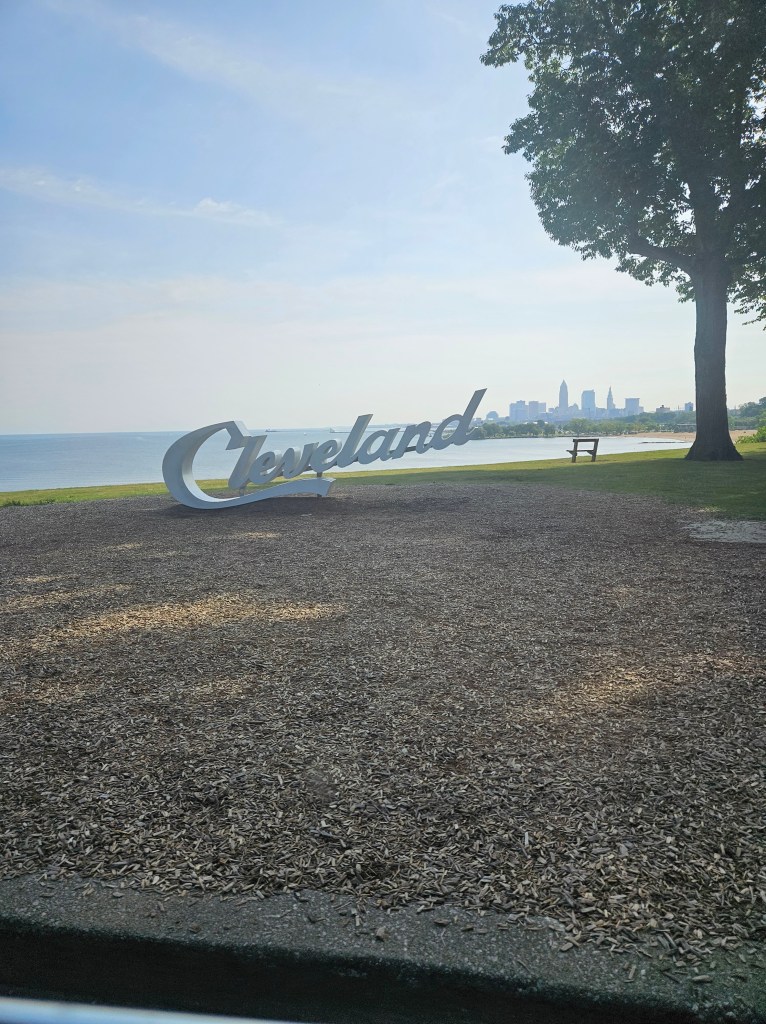
By the end of July, it was time to return to the Cleveland Clinic for surgery. I left early to complete pre-op testing and was expected to stay in Cleveland, Ohio, for a few days. After a long day of travel, we settled in and prepared for testing the next day. Thankfully, I passed all pre-op evaluations and was cleared for surgery at noon the following day. Excitement mixed with anxiety as the day approached—I was finally getting these coils removed.
Surgery began around 3 p.m. and didn’t end until after 8 p.m. Waking up from anesthesia, I was met with intense pain with five incisions across my abdomen. The following day, my surgeon checked on me and explained there had been a complication where my mesenteric artery was nicked. Although they were monitoring it closely, things were looking stable so far. He confirmed that he successfully removed every coil and showed me before-and-after images as proof. The relief I felt was indescribable — I was grateful it was over.
After two nights in the hospital, I was cleared to go home. I endured the long car ride, anxious to return to my husband and children. The next few months was challenging and painful, but I gave myself grace, knowing my body had just undergone major surgery. As I healed, I began physical therapy to regain strength and mobility.

Now, over a year later (October 2025), I confidently say I have my life back. While I still face some difficult days, nothing compares to the pain and anxiety I endured before. But my search for answers didn’t end there. About a year post-surgery, I was referred to rheumatology to explore a diagnosis of Ehlers-Danlos syndrome (EDS). After a thorough consult and review of my complex medical history, I was diagnosed with hypermobility spectrum disorder (HSD), Genetic testing for EDS was negative, but this diagnosis finally provided clarity on the many overlapping comorbidities I had experienced for years.
It was determined that the persistent pain after vascular interventions was likely due to mechanical compression, vascular dysregulation, and muscular instability related to my underlying hypermobility.
I share my story as a testimony to perseverance—never giving up in the search for answers because your story truly matters. My journey fuels my passion to advocate for those facing the many challenges of hypermobility and Ehlers-Danlos syndrome. Through my experience, I have learned that physical therapy, consistent strength training, and nervous system regulation are just a few vital components of managing these conditions.
Incorporating the Functional Diagnostic Nutrition (FDN) approach—identifying and addressing hidden systemic stressors through tailored diet, lifestyle changes, and targeted testing—has been truly transformative for me. Combining FDN principles with specialized treatments helped create a personalized, multi-layered strategy that is especially important for people with HSD and EDS, given the complexity and whole-body impact of these disorders.
I once heard a functional medicine doctor say, “You don’t truly realize how sick you were until you start to feel healthy again,” and those words have stayed with me since. I am incredibly grateful to the doctors, nurses, and surgeons who have supported me, as well as the mentors I’ve encountered through my FDN training. Applying what I learned throughout my training to my own life has really transformed my health. Today, I am able to be more present with my kids, playing softball again, and enjoying things I haven’t gotten to enjoy in a long time due to the pain.
My greatest hope is to be a source of support and guidance for others living with hypermobility-related conditions. No matter where you are on your healing path, recovery is possible—and you owe it to yourself to pursue it fully and with confidence.
 Rooted in science, Driven by heart